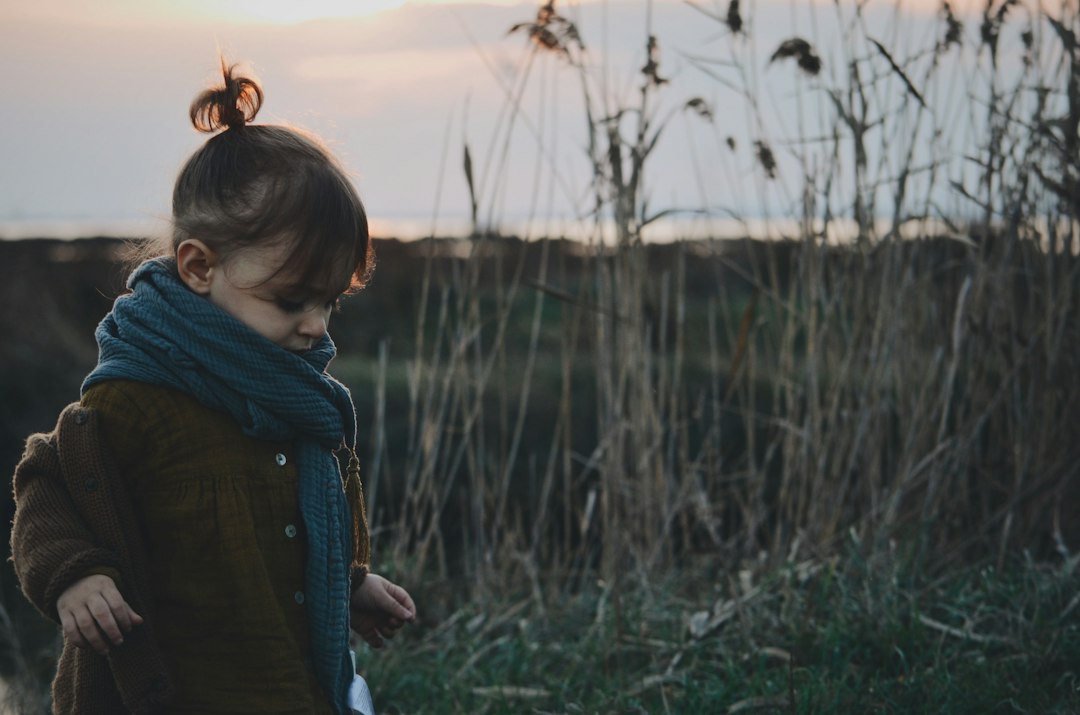
Sometimes the best learning happens far away from desks and worksheets. Taking learning outside for a nature walk naturally incorporates gross motor movement, scientific observation, and vocabulary building all at once.
Why Nature Walk Sensory Play Belongs in Your Weekly Routine
Toddlers are natural born scientists. They process the world through their fingers, ears, feet, and noses long before they ever learn through flashcards.
When small feet step onto dirt or uneven grass, every single sense lights up. Kids feel cool breezes on their cheeks. They hear crisp leaves crunching beneath their shoes. They smell damp earth after a morning drizzle.
According to early development research from the National Association for the Education of Young Children (NAEYC), regular outdoor exploration directly strengthens young children’s emotional resilience, spatial awareness, and health.
Best of all? Engaging in consistent nature walk sensory play grounds overstimulated toddlers like nothing else can.
5 Simple Activities for Outdoor Toddler Learning
You do not need a degree in botany or a tote bag full of fancy supplies to make outdoor time educational. Here are five simple, low-prep ways to boost outdoor toddler learning on your very next walk around the block.
1. The Sticky Nature Bracelet Walk
Wrap a strip of wide painter’s tape or masking tape around your toddler’s wrist with the sticky side facing out.
As you stroll along, invite your child to press small natural items onto their bracelet:
- Small yellow dandelion petals or clover blossoms
- Fallen pine needles
- Tiny patches of soft moss
- Smooth, thin dried leaves
This activity transforms nature walk sensory play into a tactile treasure hunt while building delicate fine motor strength in tiny fingers.
2. Sound Detective Scavenger Hunt
Stop at three different spots along your neighborhood path. Pause and close your eyes together for ten brief seconds.
Ask your child with an excited whisper: “What do your sound detective ears hear right now?”
- A bird chirping high up in the pine trees
- Dry autumn leaves crunching under a walking shoe
- Wind whistling softly through a tall hedge
- A distant dog barking across the street
This simple game builds critical auditory discrimination skills. It helps young children learn to isolate specific background sounds, which is a major precursor to early reading and phonics.
3. Pinecone & Tree Bark Texture Touch
Find three completely different trees along your route. Encourage your child to run their hands directly over the bark.
Talk about contrasting textures using rich, vivid descriptive language:
- “This birch trunk feels smooth and papery under our hands.”
- “This old pine tree trunk is rough, sticky, and bumpy.”
- “Look at this damp green moss—it feels like a soft living carpet!”
4. DIY Nature Color Matching
Before leaving your house, grab a clean egg carton or a scrap piece of cardboard. Paint four or five bright color swatches inside (bright green, deep brown, soft yellow, concrete grey).
Challenge your toddler to find items on the ground that match the painted swatches. This turns standard outdoor toddler learning into a thrilling game of natural hide-and-seek that sharpens visual focus.
5. Puddle Splashing & Mud Mixing
Do not run away from rainy weather puddles—embrace them! Put on sturdy rubber boots and let your child explore liquid physics firsthand.
Hand your toddler a firm stick to stir floating leaves in puddles. They will observe liquid displacement, surface tension, and cause-and-effect without opening a single textbook.
4 Quick Preparation Tips for Nature Walk Sensory Play
A little bit of preparation keeps outdoor tantrums at bay. Here is how to set up stress-free sensory strolls every time:
- Dress strictly for mess: Put toddlers in clothing you don’t mind getting stained by soil, wet grass, or dandelion juice.
- Bring a collection container: A simple plastic bucket, mesh produce bag, or egg carton gives your toddler a clear purpose as they collect treasures.
- Keep distance goals extremely low: Do not worry about reaching the end of the block. If your child spends twenty minutes exploring a single sidewalk crack, that is a huge learning success.
- Bridge outdoor finds with indoor activities: Bring pinecones or smooth stones home! You can pair them with printables from our early learning resource hub for easy sorting, counting, and art crafts later in the day.
Key Developmental Benefits of Sensory Outdoor Play
It might look like simple playing in the dirt, but big neural pathways are firing under the hood!
Fine and Gross Motor Mastery
Squatting down to examine a beetle, balancing along a low stone ledge, and pinching tiny seeds builds core abdominal strength, physical balance, and hand dexterity.
Rich Language and Vocabulary Expansion
Sensory walks are packed with meaningful adjectives! Words like prickly, squishy, damp, brittle, and fragile naturally come to life in context.
Self-Regulation and Mood Elevation
Natural daylight triggers healthy serotonin regulation, while rhythmic physical movement burns off nervous energy. A brief outdoor sensory walk can turn a cranky toddler into a calm, focused learner.
Teacher’s Pro Tips for Outdoor Learning Success
“In my 15+ years of early childhood teaching, I’ve learned that young children rarely need expensive gadgets to learn deeply. Give a toddler three pinecones, a patch of clean dirt, and your undivided attention, and they will teach themselves more physics and biology than any digital app ever could.”
Frequently Asked Questions About Outdoor Sensory Play
What if my toddler tries to eat everything on our nature walk sensory play?
This is extremely common for younger toddlers who explore their world through mouthing behavior. Redirection works wonders! Hand them a safe sensory object to hold in each hand—such as a large pinecone or a smooth river rock—so their hands remain occupied. Always supervise closely near wild berries, mushrooms, or unknown garden plants.
How long should an outdoor toddler learning walk actually last?
For children aged 1 to 3 years, 15 to 30 minutes is the ideal sweet spot. Follow your child’s natural cues. If they sit down on the grass or show signs of fatigue, wrap up the activity peacefully rather than forcing them to walk further.
How do I organize a nature walk if I live in a dense city area?
You do not need a lush forest to enjoy outdoor play! City environments offer incredible sensory textures. Look for green weeds pushing through sidewalk cracks, feel cool brick walls versus warm metal light poles, listen for city birds, or visit a small urban pocket park or community garden.
Ready to Step Outside Today?
You don’t need a complicated curriculum to give your child an enriching sensory experience. Grab your shoes, open the front door, and let your little explorer lead the way. You will both come back inside feeling refreshed, grounded, and ready for a peaceful rest of your day.