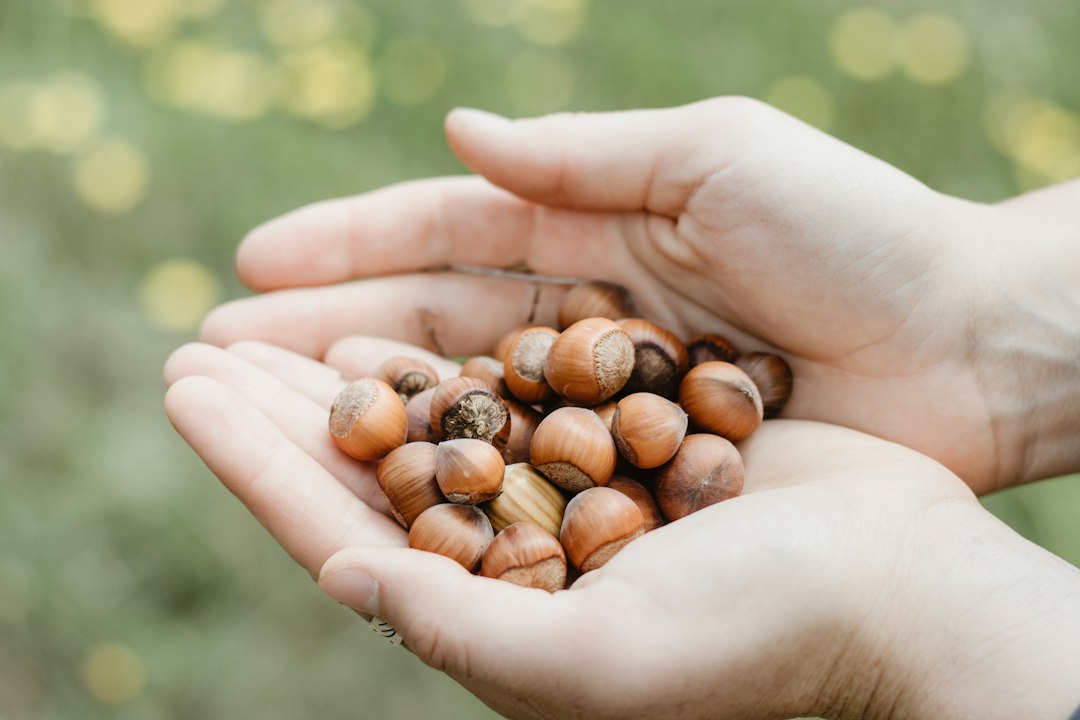
Hiding learning targets around the room is a foolproof way to capture a wiggly toddler’s attention. This acorn-themed alphabet hunt gets kids moving and physically searching for letters, making literacy practice feel like an adventurous treasure hunt.
Why Fall Sensory Activities Accelerate Early Literacy
Children do not learn best by sitting still with dry worksheets. They absorb language concepts through hands-on exploration, spatial awareness, and full-body movement. When a child bends down, searches under oak leaves, and physically grasps a rough acorn cap, their brain fires on all cylinders.
In fact, research highlighted by the National Association for the Education of Young Children (NAEYC) continuously reinforces that child-led play and sensory integration form the bedrock of early reading success. Combining physical movement with print awareness creates a multi-sensory anchor in a child’s long-term memory.
When you introduce physical props like real or crafted acorns into reading practice, letter recognition stops feeling like a tedious drill. It becomes an exciting treasure hunt. Children learn visual discrimination—noticing the subtle difference between a capital B and a capital P—much faster when they are actively seeking out hidden target items.
Setting Up Your Acorn Letter Recognition Scavenger Hunt
The beauty of this outdoor hunt lies in its utter simplicity. You do not need expensive store-bought toys or hours of prep time. You can put this entire game together in less than fifteen minutes using items you likely already have around your house or classroom.
Essential Supplies You Will Need
- 26 Acorns: Real collected oak acorns work wonderfully, but plastic craft acorns or cut-out paper acorns work great too!
- A Permanent Marker: Black or dark blue marker yields the highest visual contrast against natural brown shell surfaces.
- A Collection Basket: A small wicker basket, brown paper lunch bag, or plastic bucket for your young hunter.
- Alphabet Tracking Sheet: A simple A-to-Z grid paper where kids cross off or match letters as they find them. Browse our hands-on preschool activity collection for easy, downloadable printables to make setup effortless.
Mastering Acorn Letter Recognition: Step-by-Step Guide
Ready to start hunting? Follow these simple classroom-tested steps to run a smooth, low-stress activity with your little learners.
Step 1: Prepare Your Letter Acorns
Gather your 26 acorns. Wipe off any excess dirt with a dry paper towel. Using your dark permanent marker, clearly write one uppercase letter on the smooth side of each acorn cap or nut. If you are working with a larger group of children, prepare two or three complete sets so multiple kids can search simultaneously without fighting over letters.
Step 2: Define and Prep the Search Zone
Choose your play area based on the weather. On bright autumn mornings, an outdoor grassy patch, school playground, or backyard is ideal. Scatter the letter acorns randomly among fallen leaves, under trees, or along garden paths. Ensure some are partially hidden under oak leaves to add an exciting element of surprise!
If rain forces you indoors, do not panic. Hide the acorns around your living room rugs, or bury them inside a plastic tub filled with dried corn kernels or shredded brown paper bags for a fantastic sensory bin alternative.
Step 3: Hand Out the Tracking Sheets and Start the Hunt!
Hand each young explorer their basket and alphabet recording chart. Explain the mission clearly: “Find all hidden letter acorns and match them to the correct letter space on your master recording sheet!” Set them loose to explore, collect, and match at their own natural pace.
Differentiating Acorn Letter Recognition for Diverse Learners
Every child develops literacy skills at their own unique rhythm. A standard A-to-Z search might spark joy for an older preschooler, but it could easily overwhelm an early toddler who is just beginning to recognize their very first letters. Here is how to seamlessly adapt the activity for every skill level in your room.
1. The Beginner Level: Uppercase to Uppercase Matching
For younger toddlers aged 2 to 3 years old, limit the letter pool. Do not dump out all 26 letters at once! Instead, select only 3 to 5 familiar target letters at a time. Starting with the initial letters of their first name works best. Write uppercase letters on the acorns and match them directly to identical uppercase letters printed on their tracking board.
2. The Intermediate Level: Lowercase to Uppercase Bridge
For mid-level preschoolers aged 3 to 4, write lowercase letters on your collected acorns while keeping uppercase letters on their master recording sheet. When your child finds a lowercase ‘a’ acorn, they must mentally connect it to the capital ‘A’ slot on their chart. This builds critical letter-case correspondence without causing cognitive overload.
3. The Advanced Level: Phonological Sound Association
For older pre-K students or early kindergarteners ready for reading, focus purely on letter sounds! As children collect an acorn, require them to make the phonetic sound before crossing it off. Ask guiding questions like: “You found letter ‘B’! What sound does ‘B’ make? Can you name an autumn animal that starts with that sound?”
Teacher’s Pro Tip: Keep a small wet cloth nearby during outdoor hunts. Real tree acorns found on wet damp dirt can get muddy quickly! Having a small wiping station set up outside keeps your master alphabet tracking charts clean, legible, and dry all morning long.
Holistic Developmental Benefits Beyond Reading
It is easy to focus strictly on letter identification during this activity, but the developmental benefits extend far beyond early alphabet acquisition. This single outdoor activity builds multiple core early childhood competencies simultaneously.
Fine Motor and Pincer Grip Strength
Picking up tiny individual acorn caps requires kids to use a delicate pincer grasp—the precise coordination of the thumb and index finger. strengthening these small hand muscles directly prepares children for pencil control, proper scissor usage, and drawing later on.
Visual Discrimination Skills
Spotting a dull brown acorn nestled deep inside a pile of crispy brown leaves challenges a child’s visual perception and spatial figure-ground perception. They learn to filter out visual background noise to locate specific shapes and print details.
Gross Motor Movement and Spatial Awareness
Squatting down, bending over, stretching high, and navigating uneven natural terrain outdoors builds balance, leg strength, and body awareness. Physical play releases dopamine, keeping kids deeply focused and happy while learning.
Fun Alternatives and Alphabet Preschool Games for Fall
Once your kids master the basic hide-and-seek hunt, keep the autumn learning momentum going strong with these fun twists on classic fall games!
1. The Acorn Word-Building Challenge
Once your children have gathered a large basket of letter acorns, challenge them to line up individual acorns on a table to spell out simple CVC (Consonant-Vowel-Consonant) sight words like CAT, DOG, BAT, or seasonal terms like NUT and OAK.
2. The Acorn Letter Bath and Polish
Fill a wash basin with lukewarm water, kid-safe soap, and scrub brushes. Place plastic or sealed wooden letter acorns into the soapy bath. Kids must pull out an acorn, scrub it clean, state the letter name out loud, and dry it with a towel. Water play adds an amazing tactile element that active kids love!
3. Alphabet Acorn Soup
Set out a large plastic cooking pot, wooden spoons, and bowls. Provide children with simple printable recipe cards (e.g., “Add 1 letter ‘M’, 2 letter ‘S’ acorns, and 3 yellow leaves to the pot”). Kids hunt for the specific ingredients and stir up a delicious batch of alphabet soup!
Frequently Asked Questions
How do you teach acorn letter recognition to reluctant toddlers?
Start small and follow their interests! Never force a reluctant child to find all 26 letters at once. Focus initially on just 2 or 3 letters that make up their name. Make it a silly game by ‘hiding’ the acorns in plain sight—like right on top of their shoes—to build confidence through easy wins early on.
Can I do this activity indoors if it rains outside?
Absolutely! Create a indoor fall sensory bin using a shallow plastic storage bin filled with dried beans, uncooked rice, or real fallen leaves from yesterday’s walk. Hide your marked letter acorns inside the sensory fill and hand your child a pair of plastic kitchen tongs to hunt and extract them.
Why are alphabet preschool games better than traditional worksheets?
Young children process their physical world through movement, touch, and spatial play. Hands-on alphabet games engage multiple sensory pathways at once, making learning stick much faster than abstract black-and-white worksheets. Play-based learning reduces frustration and keeps early learning fun and positive.
Final Thoughts on Fall Alphabet Learning
Building early reading skills does not require fancy tech toys or rigid flashcard sessions. Sometimes, all it takes is a walk through the crisp autumn air, a basket full of acorns, and a spark of childhood imagination.
By bringing movement, nature, and play into your literacy routines, you create joyful learning memories that last a lifetime. So grab a marker, collect some acorns, head outside with your little learners, and enjoy every single autumn moment together!