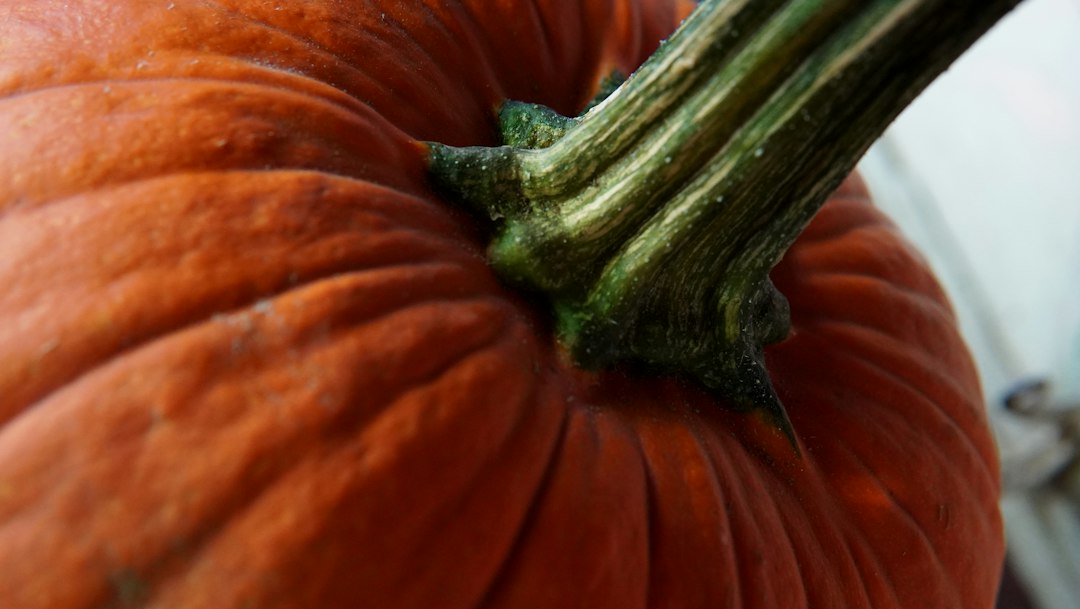

Using natural elements in math centers instantly grounds abstract concepts in reality. Counting out physical pumpkin seeds helps toddlers internalize the real meaning behind numbers, shifting them away from simple rote counting into true mathematical comprehension.
Why Pumpkin Seed Counting Belongs in Your Fall Curriculum
It is pumpkin season, which usually means pumpkin pulp on the counter and sticky hands everywhere.
If you are like most teachers and parents, you might be tempted to scoop out those messy seeds and throw them straight into the compost bin.
Hold onto that spoon!
Those slick little seeds are actually one of the absolute best free math manipulatives you will find all autumn.
Young children learn through their hands long before they understand abstract numbers written on a worksheet.
When a toddler picks up a textured seed, their brain builds connections far faster than if they were just looking at a printed digit.
According to research on early childhood development from NAEYC, concrete experiences with physical objects build the essential foundation for later mathematical reasoning.
Transforming raw fall ingredients into learning materials makes abstract early math feel like pure play.
Standard plastic math counters are fine, but they lack novelty and real-world connection.
Engaging in pumpkin seed counting gives children a multi-sensory experience that holds their attention twice as long as routine plastic toys.
The natural variations in seed size, thickness, and texture force little hands to work harder, strengthening crucial fine motor muscles.
Plus, seeds are completely versatile.
You can wash them, dye them bright seasonal colors, or write tiny numbers directly on them with a permanent marker.
They fit effortlessly into fall sensory bins and work wonders in vibrant toddler math centers.
Preparing Your Seeds for Toddler Math Centers
Before you throw a bowl of fresh seeds onto your activity table, you need a quick prep plan.
Nobody wants sticky, wet pulp all over their printed learning mats or classroom tables!
Follow these easy steps to get your seeds math-ready for your small group stations:
- Rinse thoroughly: Place seeds in a colander and use cold running water to wash away all orange pulp.
- Boil briefly (Optional): Boiling seeds in salted water for 5 minutes makes them flatter and easier to paint or write on later.
- Dry completely: Spread seeds in a single layer on a towel or baking sheet for 24 to 48 hours. Make sure they are totally dry so they do not grow mold in storage.
- Color code them: Toss dry seeds in a zip-top bag with a few drops of food coloring and a splash of vinegar. Shake well and dry on parchment paper.
Once your seeds are completely clean and dry, they become durable, reusable tools you can pull out every October.
4 Creative Pumpkin Seed Counting & Grouping Activities
Ready to turn these dried seeds into powerful learning tools?
Here are four simple, low-prep activities you can set up in your home or classroom tomorrow morning.
1. The Great Pumpkin Seed Counting Patch
Draw large outline shapes of pumpkins on heavy construction paper or craft cardboard.
Write a big numeral (1 through 10) in the middle of each pumpkin outline.
Hand your toddlers a bowl of dried seeds and ask them to place the exact number of seeds onto each pumpkin patch.
For younger toddlers, draw dots inside the pumpkin to match the target number.
This provides a helpful visual anchor so they can practice one-to-one correspondence by covering each dot with one seed.
As their confidence grows, remove the visual dots and let them practice pumpkin seed counting independently.
2. Grouping and Sorting by Seed Characteristics
Not all seeds inside a pumpkin look identical!
Some are fat and plump, while others are flat, small, or slightly discolored.
Create a sorting station using an old egg carton or a silicone muffin tin.
Ask your little learners to group seeds into distinct categories:
- Big seeds versus tiny seeds
- Smooth seeds versus rough or bumpy seeds
- Dyed orange seeds versus natural white seeds
Grouping objects by visual attributes is a foundational pre-algebra skill that helps toddlers notice patterns, similarities, and differences.
3. Ten-Frame Seed Filling
Ten-frames are incredible tools for building early visual number sense and spatial thinking.
You can easily grab free math mats from our early learning resource hub to set up this station in seconds.
Give each child a ten-frame printable and a small dish of dried pumpkin seeds.
Call out a target number, or have them roll a wooden dot die, then watch them fill the ten-frame boxes one seed at a time.
This hands-on process helps children visual-spatial quantities, building a bridge toward mental addition later on.
4. Pumpkin Seed Pattern Line-Ups
If you take a few extra minutes to dye your seeds two or three different colors, you unlock amazing pattern-building potential!
Start a simple AB pattern on a strip of cardstock: Orange seed, natural seed, orange seed, natural seed.
Ask your toddler, ‘What comes next in our seed line?’
Patterning helps young minds understand mathematical sequencing and order.
It lays the crucial groundwork for understanding addition, skip counting, and complex problem-solving down the road.
Developmental Benefits of Pumpkin Seed Math
Why do early childhood educators rave about using natural items for math games?
It is certainly not just about seasonal cuteness.
Tactile seed activities address multiple developmental domains simultaneously:
- Fine Motor & Pincer Grasp: Picking up a single flat seed requires refined pincer control. This strengthens the exact finger muscles needed for pencil holding and scissor skills.
- One-to-One Correspondence: Touching each individual seed while reciting numbers prevents children from simply memorizing number words without understanding physical quantity.
- Subitizing Skills: Seeing seeds arranged on mats helps children instantly recognize quantities without needing to count them one by one.
- Math Language: Using descriptive words like more, fewer, equal, larger, and smaller naturally expands a child’s mathematical vocabulary.
Teacher’s Pro Tip: Store your dried and dyed pumpkin seeds in airtight plastic containers with a single silica gel packet inside. They will stay fresh, dry, and mold-free for years, making them a reusable asset for your seasonal toddler math centers!
Managing Pumpkin Seed Activities in a Busy Classroom
Let’s be completely honest about early childhood spaces.
Handing dozens of tiny seeds to a room full of energetic three-year-olds can sound like a recipe for chaos.
A few smart classroom setup tweaks will keep your learning stations running smoothly.
First, use shallow trays with raised edges for each child’s personal workspace.
Trays keep runaway seeds contained whenever little hands accidentally bump their dishes.
Second, provide fun tool accessories like plastic tweezers, tiny wooden spoons, or mini silicone cups.
Adding tools transforms basic pumpkin seed counting into a rich motor challenge while naturally slowing down hasty toddlers.
Third, keep health and developmental safety guidelines at the front of your planning.
Always monitor young children closely during activities that feature small loose parts.
According to child safety guidance from the CDC, small objects can present choking risks for very young children who still explore items orally.
For younger toddlers who still put items in their mouths, tape your counting seeds inside clear plastic sensory bags filled with hair gel instead!
Frequently Asked Questions About Pumpkin Seed Counting
What age is best for pumpkin seed counting activities?
These activities are ideal for preschoolers and older toddlers aged 2.5 to 5 years old.
For toddlers under age three, ensure constant adult supervision to prevent swallowing, or use sealed sensory pouches for mess-free exploration.
How do you introduce pumpkin seed counting to beginners?
Start small with manageable quantities!
Focus on numbers 1 through 3 using large visual mats and simple one-to-one matching before introducing higher numbers or complex sorting tasks.
Why are natural manipulatives better than plastic counters?
Natural objects offer rich sensory textures, varied shapes, and authentic real-world connections.
They ignite curiosity, foster eco-awareness, and keep children engaged longer through sensory feedback that plastic items cannot match.
Final Thoughts on Fall Early Math
Fall is overflowing with natural learning opportunities if we know where to look.
Next time you scoop out a jack-o’-lantern, save those seeds, dry them out, and watch your young learners thrive.
With just a dish of seeds and a little imagination, early math becomes an exciting, hands-on seasonal adventure!
Looking for Meaningful Learning Activities?
Bring calm, screen-free learning to your home or classroom with our beautifully designed printable packs, coloring pages, and early learning games.
Daily parenting tips & new printable drops:
@deargru_official