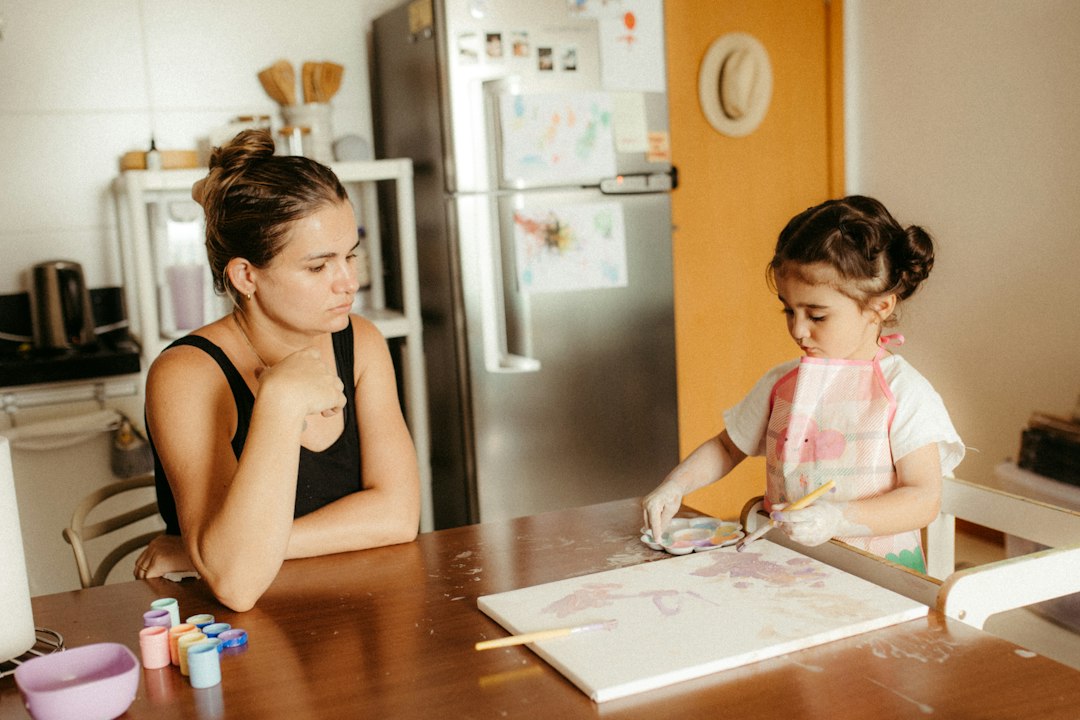

A predictable morning routine is the secret to a peaceful and productive preschool day. Visual charts and structured entry activities eliminate transition anxiety, giving young children a clear sense of control and safety as they arrive.
Why Morning Routines Matter for Young Minds
Preschoolers thrive on predictability. Their little brains are rapidly developing, processing thousands of new sensory inputs every single day. Without a clear structure, an ordinary morning feels chaotic and unpredictable to a four-year-old.
A consistent daily rhythm builds what developmental psychologists call executive functioning skills. These are the brain-based skills that help children plan, focus, remember instructions, and juggle multiple tasks successfully.
According to research highlighted by the American Academy of Pediatrics, clear family routines foster emotional security and reduce behavioral problems in young children. When kids feel safe and know what to expect, emotional meltdowns drop significantly.
When you establish a steady rhythm, you aren’t just getting out the door on time. You are teaching your child self-regulation, independence, and time management.
Building the Ultimate Preschool Morning Routine
Creating a successful morning structure isn’t about running your home like a strict boot camp. It is about building a gentle, visual road map that your child can navigate all by themselves.
If you want to create a stress-free morning, follow these essential steps:
- Keep it short and simple: Stick to 4 to 6 basic core steps. Too many tasks will paralyze a young child.
- Use clear visual cues: Young children cannot read yet. Photos or illustrations are essential for a working visual schedule toddlers can follow independently.
- Sequence tasks logically: Wake up, go to the potty, get dressed, eat breakfast, brush teeth, and pack the backpack. Keep the order identical every single day.
- Prepare the environment: Lay out clothes and pack lunches the night before. Eliminate unnecessary morning decisions.
By breaking down the morning into bite-sized, visual steps, you remove the need to constantly nag. Instead of repeating ‘Put your shoes on!’, you simply ask, ‘What does your visual chart say comes next?’
5 Fun Morning Activities to Include in Your Preschool Morning Routine
Routine doesn’t have to mean boring! In fact, adding playful micro-activities into your morning schedule keeps little ones engaged and excited to move from one task to the next.
Here are five low-prep, high-engagement activities to blend right into your morning rhythm:
1. The Dressing Relay Race
If getting dressed is your biggest morning hurdle, turn it into a playful game. Lay out clothes on the floor in order: underwear, pants, shirt, and socks.
Set a gentle timer or play a fun song. Challenge your preschooler to see if they can ‘beat the song’ by putting on each item before the music stops. This turns a power struggle into a joyful physical activity!
2. Morning Feelings Check-In
Before jumping straight into tasks, take two minutes at the breakfast table to check in emotionally. Use an emotion wheel or simple feeling cards with cartoon faces.
Ask your preschooler: ‘How is your heart feeling this morning?’ Normalizing morning jitters, sleepiness, or excitement helps build vital social-emotional skills early on.
3. The ‘Put Away My Shoes’ Song
Music is a powerful trigger for habit building. Create a simple 10-second song to a familiar tune like Twinkle, Twinkle Little Star for tricky transitions like putting away pajamas or slipping on sneakers.
Singing engages the brain’s emotional center, instantly lowering resistance and making repetitive chores feel like play.
4. Weather Watcher Window Check
Assign your toddler the official job of ‘Morning Weather Inspector.’ Before getting dressed, have them march to the window, look outside, and report back on the weather.
Are there clouds? Is the sun shining? Should we wear jacket snaps or short sleeves today? This simple job gives them a sense of purpose and helps them understand why they need to wear rain boots or sun hats.
5. Morning High-Five Station
Place a small sticker or cutout handprint on the doorframe near your front door or classroom entry. Before stepping out, your child gives the high-five station a quick tap.
This simple physical touch serves as a clear boundary marker, signaling that morning prep is complete and it is time to move into the next part of the day.
How a Visual Schedule Transforms Toddler Behavior
Why do visual cards work so much better than verbal reminders? It comes down to cognitive processing.
When you tell a toddler, ‘Go go brush your teeth, grab your jacket, and put your lunchbox in your bag,’ their brain often registers only the last word. They quickly get distracted by a toy airplane on the rug and forget the entire command.
A visual schedule toddlers can touch and flip over transforms abstract words into concrete reality. It gives them concrete ownership of their actions.
Here is why visual tools perform magic in early childhood settings:
- Promotes Autonomy: Toddlers love feeling ‘big.’ Checking off their own tasks builds authentic pride.
- Removes Personal Conflict: You are no longer the boss bossing them around; the chart is simply the neutral guide you both follow.
- Reduces Anxiety: Knowing exactly what is coming next eliminates the fear of unexpected transitions.
- Strengthens Fine Motor Skills: Moving clips, flipping Velcro tags, or sliding markers exercises small hand muscles needed for future writing.
Teacher’s Pro Tips for Smooth Mornings
Teacher’s Pro Tip: Always build a 10-minute ‘buffer zone’ into your morning schedule. If you think you need 45 minutes to get out the door, set your routine for 55 minutes. That extra cushion absorbs dropped cereal bowls, misplaced shoes, and last-minute bathroom trips without causing parent meltdowns!
Another powerful strategy used in top early learning classrooms is offering ‘limited choices.’ Instead of asking ‘What do you want to wear today?’, hold up two weather-appropriate outfits and ask, ‘Do you want the blue shirt or the striped shirt?’
This gives your child a healthy sense of control while keeping your morning on schedule.
Integrating Printables and Charts into Your Routine
You don’t need expensive equipment or elaborate wooden boards to create an effective routine system. Simple, colorful visual printables attached to your refrigerator or taped at eye level on a bedroom door work wonderfully.
Using visual printables allows you to customize cards to fit your unique household schedule. Whether you need cards for feeding the family dog, putting away toys, or packing a water bottle, visual cue cards make transitions smooth.
If you are looking for ready-to-use routine cards, morning visual charts, and educational activity pages, explore our complete hands-on preschool activity collection to simplify your everyday prep.
Frequently Asked Questions About Preschool Morning Routines
How long should a preschool morning routine take?
For most children aged 3 to 5, an ideal morning schedule takes between 30 to 45 minutes from wake-up to walking out the door. Keeping it concise prevents fatigue and distraction.
What should be included in a preschool morning routine chart?
Keep your preschool morning routine chart focused on core basics: going to the potty, brushing teeth, washing face, getting dressed, eating breakfast, putting on shoes, and grabbing the school backpack.
What if my toddler resists using the visual schedule?
Involve your child directly in creating the chart! Let them color the schedule cards, place the velcro dots, or choose where to hang the poster. When children feel ownership over a routine board, resistance decreases dramatically.
How early should I start setting up a morning routine before preschool starts?
It is best to start practicing your morning rhythm roughly two weeks before the preschool year begins. This gives your child’s internal clock time to adjust to early wake-up times and predictable expectations without first-day stress.
Final Thoughts on Mastering Mornings
Creating a calm start to your day doesn’t happen overnight, and that is completely okay. Consistency is always better than perfection.
Start small by picking two or three visual cards tomorrow morning. Celebrate small victories, sing silly songs, and give yourself plenty of grace along the way.
With a bit of structure and a lots of patience, your mornings will quickly shift from frantic chaos to a joyful time of learning and connection.