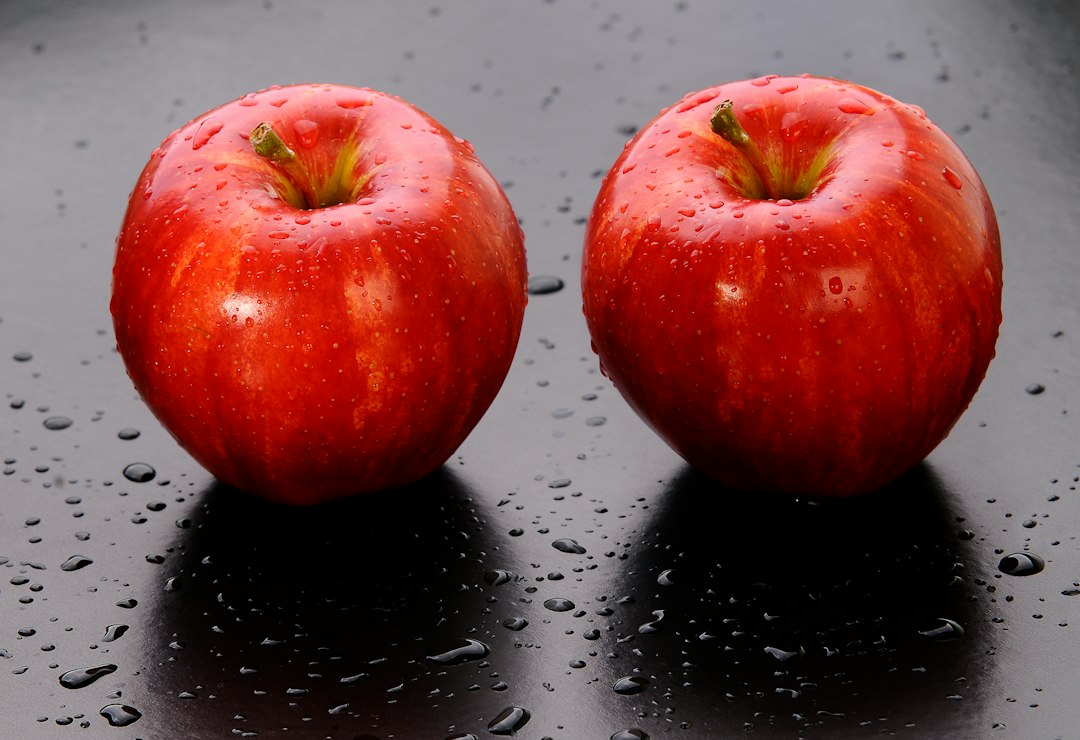
Art and math do not have to be separate subjects in early childhood. By stamping exact numbers of seeds onto printable apples, children seamlessly blend creative expression with strict one-to-one counting practice.
Why Math Feels Easier When Kids Use Their Hands
Have you ever watched a toddler try to understand the number three? Pointing at a picture on a screen just doesn’t hit the same way as holding three physical objects.
In early childhood education, we call this moving from concrete to abstract thinking. Young brains are hardwired to process concepts through physical touch and active movement.
When children press real seeds onto painted paper apples, they aren’t just doing a cute craft. They are building neural bridges. They feel the slick texture of the seed. They hear you count out loud. They physically place each mark on paper.
Research supported by the National Association for the Education of Young Children (NAEYC) emphasizes that high-quality early math experiences must be hands-on, meaningful, and integrated into everyday play contexts.
By combining art with early numeracy, you tap into multiple sensory pathways at once. This makes math feel less like work and more like a exciting game.
Simple Apple Counting Activities with Paint and Seeds
You don’t need a massive budget or a drawer full of specialized supplies to set up high-impact learning. In fact, you probably have everything you need in your kitchen pantry right now.
Here is what you will need to get started:
- Fresh apples: Cut in half vertically (stem to bottom) to show the core shape.
- Washable paint: Red, green, yellow, and black.
- Heavy paper: White cardstock or sturdy watercolor paper works best.
- Real apple seeds: Or dried black beans, black buttons, or tiny black pom-poms.
- Chunky markers: For writing numbers and drawing stems.
- Paper plates: To serve as simple paint trays.
Ready to jump in? Let’s break down the step-by-step process for this simple activity.
Step 1: Slice and Explore
Start by slicing an apple in half. Take a minute to explore the slice with your child before reaching for any paint trays.
Where are the seeds located? How many seeds do they see inside the star shape at the center?
Let them poke the core softly. Talk about the crisp texture and sweet aroma. This quick sensory chat sparks immediate curiosity and builds descriptive vocabulary.
Step 2: The Core Print
Pour a small blob of red, yellow, or green washable paint onto a paper plate. Show your preschooler how to press the flat side of the cut apple into the paint tray.
Stamp the painted fruit firmly onto cardstock paper. Lift it gently to reveal a crisp print of an apple outline!
Repeat this step three to five times across the page. Let the paint dry for just a few minutes while you wipe down sticky little fingers.
Step 3: Number Marking
Once the stamped prints are tacky, use a black marker to label each printed apple with a simple numeral. For younger toddlers, stick to numbers 1 through 3.
For older preschoolers who are building confidence, write numerals up to 5 or 10. You can also visit our early learning resource hub to print out matching number cards that help children match written digits visually.
Step 4: Seed Stamping and Counting
Now comes the absolute magic step. Pour a tiny puddle of black paint onto your tray.
Instruct your child to look at the number written on the first apple print. Help them identify the numeral aloud.
They can now dip their index finger—or a real seed held between tiny fingers—into the black paint and stamp the matching count of seeds onto that apple print.
As they stamp each black dot, encourage them to count out loud: “One… two… three!”
Adapting Apple Counting Activities for Pre-K Students
Every child develops at their own unique pace, so flexibility is key in any early childhood classroom or homeschool room.
Here are quick modifications to keep every learner appropriately challenged:
- For Beginners (Ages 2–3): Focus purely on counting from 1 to 3. Write large numbers and draw light pencil dots inside the apple stamp so they have a visual target for each seed.
- For Intermediate Learners (Ages 3–4): Introduce subitizing. Arrange seeds in familiar dice patterns within the apple print so children recognize small quantities without counting each seed individually.
- For Advanced Pre-K (Ages 4–5): Try basic addition story problems! Stamp two apple shapes. Put 2 seeds on one and 3 seeds on the other, then ask, “How many seeds do our apples have all together?”
This simple flexibility allows you to run one unified activity while easily differentiating instruction for every child present.
The Math Skills Hidden Inside Apple Seed Stamping
To an outside observer, this craft looks like pure mess and fun. But beneath that layer of wet paint, critical early math concepts are actively developing.
One-to-One Correspondence: This is the crucial understanding that one printed seed represents exactly one spoken number. Many young children can chant “1, 2, 3, 4, 5” from memory, but they often struggle to pair each number name with a single object. Stamping physical seeds slows them down and enforces this essential link.
Cardinality: This fancy math term simply means understanding that the last number counted tells you the total amount in the group. When your preschooler stamps three seeds and says “There are three seeds!”, they are mastering cardinality.
Fine Motor Precision: Pinching tiny apple seeds or carefully pressing a fingertip within a printed border strengthens the small muscles in the hand. These exact same muscles are vital for proper pencil grip, scissor skills, and buttoning coats later on.
Teacher’s Pro Tip: Keep a damp hand towel right beside the workspace! Preschoolers focus much better on counting when they aren’t panicked about sticky paint drying on their fingers. A quick wipe between numbers keeps the workflow peaceful and productive.
Frequently Asked Questions About Preschool Math Activities
How do apple counting activities teach one-to-one correspondence?
These hands-on activities force children to pair a single physical action (pressing a seed or stamping a finger) with a single spoken number word. This physical touch prevents them from rushing through oral counting numbers faster than they actually quantify the items.
What if my child tries to put real apple seeds in their mouth?
Safety always comes first. If you are working with younger toddlers who still explore items with their mouths, swap real seeds for thumbprints dipped in edible black paint, or use large black felt cutouts that are easy to monitor.
Can I use this math seed activity in a large classroom set-up?
Yes! Pre-cut the apples ahead of time and place paint sponges on paper plates to limit excess paint mess. You can also assign student helpers to pass out real seeds in small craft cups for smooth classroom management.
How can I extend this math project into a full fall unit?
Pair this activity with an autumn read-aloud book about orchard harvests, explore real apple taste tests (comparing red, green, and yellow varieties), and graph the classroom’s favorite flavors on a simple chart board.
Bring Hands-On Math to Life Today
Early math skills don’t need to feel overwhelming or rigid. With simple materials, clear counters, and a spirit of playful exploration, you can transform simple afternoon craft sessions into deep learning moments.
Gather a few apples, pour out some washable paint, and watch your child discover the joyful world of numbers—one stamped seed at a time!