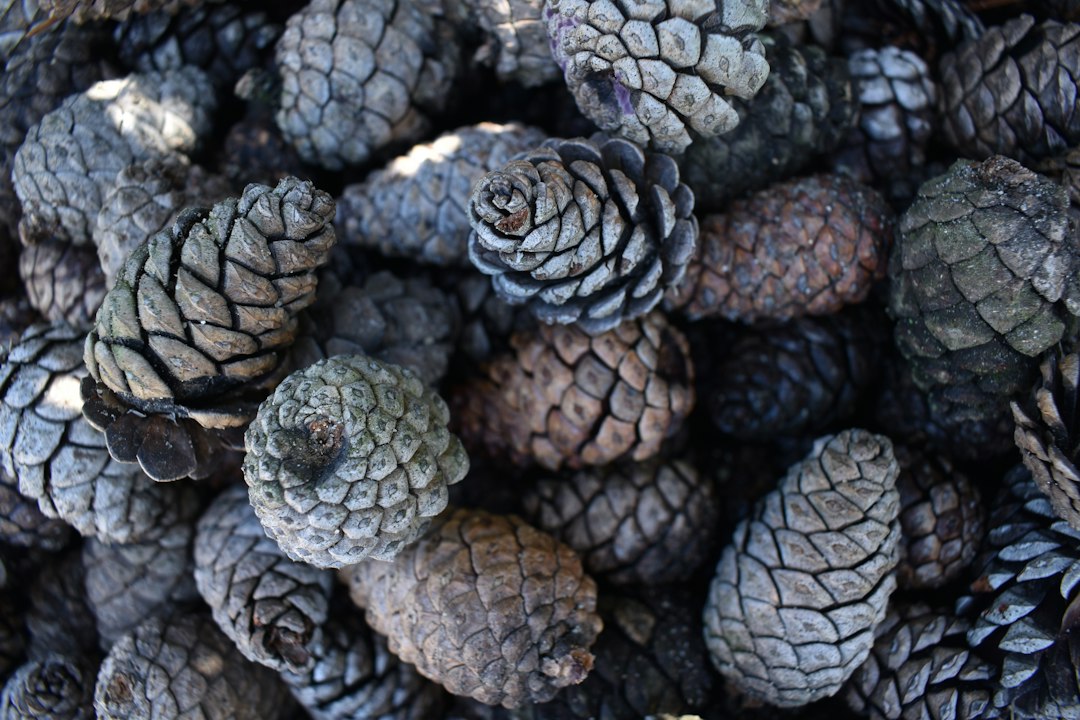

Bringing the outdoors inside offers incredible tactile feedback for growing brains. A pinecone sensory bin introduces rough textures and rich earthy scents, inviting toddlers to scoop, transfer, and explore nature within a controlled environment.
Why Pinecones Are the Ultimate Fall Play Material
Crisp autumn mornings are made for outdoor strolls. You step outside, crunching through fallen leaves, and suddenly your toddler drops to their knees. What did they find? A prickly, sticky, perfectly imperfect pinecone.
Toddlers are naturally drawn to pinecones. They have an irresistible texture that begs to be squeezed, rolled, and explored. Instead of leaving those outdoor treasures on the sidewalk, bring them indoors to build an unforgettable pinecone sensory bin.
Sensory bins do not need to be fancy or expensive. In fact, natural materials offer far more rich sensory feedback than plastic toys ever could. A humble pinecone provides deep tactile input, natural geometry, and even a surprise weather experiment that will blow your child’s mind.
How to Build the Ultimate Pinecone Sensory Bin
Setting up this activity takes less than ten minutes, but it will keep little hands busy for nearly an hour. The key is combining distinct textures that contrast with the woody roughness of the cones.
Pinecone Sensory Bin Setup Instructions
To get started, gather a few basic items from around your home and backyard:
- A large plastic storage bin (shallow containers work best for tiny arms)
- 10 to 15 pinecones of varying sizes and shapes
- A base sensory filler like dry oats, dried lentils, or colorful autumn leaves
- Two small bowls filled with water (one warm, one icy cold)
- Fine motor tools like wooden tongs, scoops, magnifying glasses, and small spoons
- Cinnamon sticks or nutmeg for an added aromatic sensory punch
First, pour your base filler into the bottom of the plastic bin. Next, nestle your pinecones throughout the container. Scatter cinnamon sticks around the edges to engage your child’s sense of smell.
Set the two small bowls of water right alongside the tub. Hand your toddler a pair of wooden tongs and step back to watch the magic happen.
The Amazing Pinecone Weather Science Trick
Did you know that pinecones are nature’s tiny barometers? They open up when the air is warm and dry to release their seeds, and they tightly close their scales when damp weather rolls in to protect those seeds from rotting.
You can bring this fascinating weather science directly into your pinecone sensory bin! It turns a simple play activity into a hands-on STEM discovery lab.
Watching Pinecones React to Water
Encourage your child to pick up a dry, fully open pinecone. Have them feel the wide, prickly scales.
Next, ask them to dunk that open pinecone into the bowl of water. What happens?
Over the next 30 to 60 minutes, your toddler will watch the pinecone squeeze itself completely shut. Dunking it back into warm water or placing it near a sunny window will cause it to slowly blossom back open.
This simple experiment gives children a visual and physical understanding of how nature adapts to damp fall days and warm afternoon sunshine.
Developmental Benefits of Fall Sensory Play for Toddlers
While your child thinks they are just messing around with pinecones and water, their brain is firing on all cylinders. Rich tactile activities lay the structural groundwork for future academic learning.
1. Fine Motor Strength and Hand Control
Prickly pinecones require different grip forces than smooth plastic balls. Picking up pinecones with tongs or squeezing them between tiny fingers builds intrinsic hand muscle strength.
These are the exact same hand muscles your toddler will rely on later when holding a pencil, using safety scissors, or buttoning a winter coat. According to CDC guidelines on early brain development, hands-on physical exploration directly supports fine motor milestone mastery.
2. Vocabulary and Descriptive Language Skills
Sensory bins are natural conversation starters. As your preschooler scoops, pours, and pokes, you can introduce rich descriptive words that build their oral language foundation.
Use contrast words during your play session:
- Prickly vs. Smooth: Compare the pointy pinecone tips to a smooth wooden scoop.
- Damp vs. Dry: Feel the slimy, wet closed pinecone versus the dusty, dry open cone.
- Heavy vs. Light: Compare a wet pinecone soaked in water to a light autumn leaf.
3. Tactile Desensitization and Emotional Regulation
Some toddlers are hesitant to touch unusual or bumpy textures. Introducing natural elements inside a controlled, low-pressure setting allows sensitive kids to explore tactile input at their own comfortable pace.
The rhythmic motion of scooping oats and pouring water also has a deeply soothing effect on hyperactive or overwhelmed little minds.
Fun Modifications for Different Age Groups
You can easily tweak this activity whether you are working with a curious young toddler or an eager preschool student.
For Younger Toddlers (18 to 24 months)
Keep things extra simple and safe from choking hazards. Skip tiny lentils or small dry beans. Use large rolled oats or freshly picked backyard leaves as your base filler.
Focus purely on texture contrast. Let them roll the dry pinecones over playdough to create awesome starburst impressions and geometric tracks!
For Preschoolers and Kindergarteners (3 to 5 years)
Turn your setup into a full fall math and literacy station! Challenge your child to sort pinecones by size from smallest to largest.
Give them paintbrushes and washable paint to turn their cones into colorful autumn trees. You can also pair this sensory setup with leaf tracing worksheets and seasonal counting games from our early learning resource hub to turn playtime into a complete thematic unit.
Teacher’s Pro Tip: Always bake wild pinecones before introducing them to your classroom or playroom! Line a baking sheet with foil, spread your collected pinecones in a single layer, and bake at 200°F (93°C) for about 45 minutes. This melts away sticky tree sap and eliminates any hitchhiking tiny insects hiding inside the scales.
Frequently Asked Questions About Pinecone Sensory Bins
How do you clean pinecones for a pinecone sensory bin?
Wash outdoor pinecones in a bucket of warm water mixed with half a cup of white vinegar to strip away mud. Rinse them thoroughly, then bake them on a foil-lined baking sheet at 200°F for 45 minutes to sterilize them completely and dry them out so they pop wide open.
Why do pinecones open and close in water?
Pinecone scales are made of two layers of plant tissue that react differently to moisture. The outer layer absorbs water and expands faster than the inner layer, causing the scale to bend inward and close the cone tight against rain.
Is a pinecone sensory bin safe for young toddlers?
Yes, provided you supervise close play! Select larger pinecones that do not pose a choking risk and ensure you inspect them for sharp tips. Avoid small filler seeds if your toddler still puts objects in their mouth, opting for large rolled oats instead.
What are the best bases for fall sensory play toddlers love?
Rolled oats, dried split peas, fallen maple leaves, real pumpkin seeds, and shredded kraft paper all make incredible, low-cost autumn sensory bases that hold up well to repeated play sessions.
Bring Autumn Magic to Your Learning Space Today
You do not need fancy gadgets or expensive store-bought toys to give your toddler an enriching learning experience. A bucket, a few gathered outdoor pinecones, and a splash of water are all it takes to spark genuine scientific curiosity.
Clear off the kitchen table, head outside for a quick pinecone hunt, and build your own pinecone sensory bin today. Your toddler’s busy hands and growing brain will thank you!