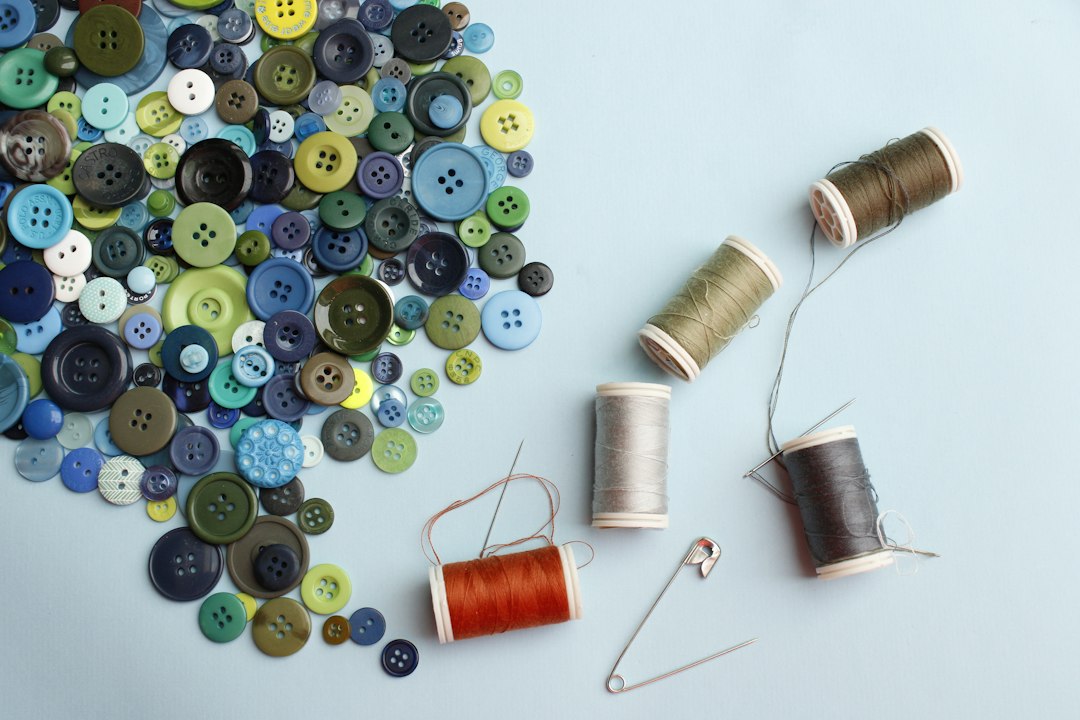

Categorization is a cognitive milestone that bridges visual discrimination and early logic. Setting up a button sorting tray allows preschoolers to independently group items by size, color, or hole count, laying a rock-solid foundation for future algebraic thinking.
Why Simple Math Activities Win Every Time
We often think early math means flashcards and counting to twenty. But real math for little learners starts much simpler than that.
It starts with noticing patterns. It starts with asking, “How are these two things the same, and how are they different?”
Sorting is the foundational stepping stone for formal mathematics. When children group objects by attributes, they build early logical reasoning skills that support them all the way into elementary school.
Why Every Classroom Needs a Button Sorting Activity
According to research highlighted by the National Association for the Education of Young Children (NAEYC), early mathematical thinking develops through hands-on exploration long before kids ever write numbers on paper.
A versatile button sorting activity invites kids to explore attributes naturally. They compare big versus small, rough versus smooth, and red versus green. Without feeling pressured, they are absorbing sophisticated mathematical logic.
Plus, picking up those tiny plastic discs gives little hands a massive workout. That fine motor practice pays off when it comes time to hold a pencil or clip a zipper.
Setting Up Your Button Sorting Workspace
You do not need an expensive Montessori setup to pull this off. Look around your home or classroom. You likely already have everything you need in your kitchen drawers.
Safety First: A Quick Note for Parents
Buttons are real, raw sensory items. Because they present a choking hazard, this specific activity is best suited for children aged three and older who no longer put objects in their mouths.
Always supervise your little ones closely during button play. If you teach younger toddlers, you can easily adapt this game using oversized, giant crafting buttons!
Gather Your Simple Materials
- A loose collection of buttons: Aim for a mix of bright colors, varying sizes (small, medium, large), and different hole counts (2-hole vs. 4-hole).
- Sorting containers: Muffin tins, empty egg cartons, small bowls, or colorful silicone cupcake liners work brilliantly.
- Fine motor tools (Optional): Plastic child-friendly tweezers, mini tongs, or small spoons.
4 Fun Variations for Your Button Sorting Activity
Every child processes information differently. Keep boredom at bay by switching up the rules based on your preschooler’s mood and developmental stage.
1. The Classic Color Match
This is the best starting point for younger preschoolers.
Set out six silicone baking cups in primary colors. Place the pile of buttons in the center of the table. Demonstrate by picking up a vibrant yellow button, placing it into the yellow cup, and naming the color aloud.
Step back and let your child take over. They will naturally group like colors together, reinforcing color recognition and spatial awareness.
2. The Big, Medium, and Tiny Sort
Size discrimination can be trickier than color matching because it requires relative comparison.
Label three bowls using simple visual cues: a large circle, a medium circle, and a small circle. Hold up a massive coat button next to a tiny shirt button. Ask your child, “Which one feels like the mama button, and which one is the baby?”
This playful framing helps young kids grasp comparative vocabulary like larger than, smaller than, and equal to.
3. The Hole Counter Challenge
Ready to level up your preschooler’s observation skills?
Challenge them to look closely at the center of each button. Divide your sorting space into two sections: two holes versus four holes. This game sharpens visual perception and builds foundational subitizing skills (recognizing small quantities without counting each dot individually).
4. Fine Motor Tweezers Dash
Turn sorting into a dexterity game!
Hand your child a pair of plastic jumbo tweezers or mini kitchen tongs. Instead of using their fingers, they must grip and transfer each button into its designated container.
This simple twist builds hand-eye coordination and strengthens the delicate pincer grasp muscles needed for handwriting later on.
How Button Sorting Builds Essential Preschool Classification Skills
It is easy to look at a child placing red buttons in a blue tray and think it is just simple fun. But under the hood, your child’s brain is working overtime!
Here is what is happening developmentally while they play:
Visual Discrimination
To sort accurately, a child’s eyes must filter out noise and spot subtle visual differences. They must ignore the size of a button to focus solely on its color, or ignore its color to focus solely on its size. This mental filtering develops robust preschool classification skills that lay the groundwork for reading letters like ‘b’ and ‘d’ later on.
Cognitive Flexibility
What happens when you ask a child to sort their buttons by color, and then suddenly ask them to re-sort the exact same buttons by size?
Their brain has to shift gears. This mental pivot builds cognitive flexibility, a core component of executive function. It teaches kids that objects—and problems—can be categorized in more than one way.
Language and Math Vocabulary
Hands-on activities create rich context for real conversations. As you play alongside your child, introduce rich comparative language naturally:
- “Look at this glossy button! Is it smoother than this wooden one?”
- “Which bowl has the most buttons? Which one has the fewest?”
- “Can you find a button that is both red AND small?”
These rich, low-pressure conversations turn a simple craft project into a high-impact language lesson.
Teacher’s Pro Tips for Playtime Success
Pro Tip: Don’t over-correct your child if they place a button in the “wrong” spot! Instead of saying “No, that doesn’t go there,” ask them open-ended questions like, “Tell me about why you placed that button in this cup?” You might be surprised to find they created a totally logical pattern of their own based on shiny textures or favorite designs!
If you want to make clean-up effortless or print quick, structured play layouts, explore our hands-on preschool activity collection for free printable sorting mats, counting sheets, and hands-on learning resources.
Troubleshooting Common Sorting Challenges
Every child approaches early math games differently. Here is how to handle common bumps in the road:
What if my child just wants to dump and mix the buttons?
Dumping is a totally normal schematic play behavior! Kids love exploring cause, effect, and sound dynamics.
If dumping happens, embrace it! Let them pour buttons back and forth between plastic cups. Once they satisfy that sensory curiosity, gently guide them back toward a quick matching game.
What if my child gets frustrated by small buttons?
Fine motor frustration usually means hand muscles are tiring out.
Switch to larger buttons, or swap the tweezers for big scoop spoons. You can also let them use their whole hand to grab clusters instead of individual pieces. Keep it fun and stress-free.
Integrating Sorting into Daily Routines
You do not need special crafts to keep these math concepts alive throughout your week.
Bring these sorting ideas into everyday chores:
- Laundry Time: Match matching socks or group shirts by family member.
- Snack Time: Separate goldfish crackers from pretzels or group fruit by color.
- Tidy-Up Time: Put big blocks in one bin and small cars in another.
When math becomes part of daily life, children build natural confidence that stays with them forever.
Frequently Asked Questions
What age is a button sorting activity suitable for?
A standard button sorting activity is perfect for preschoolers aged 3 to 5 years old. For younger toddlers under 3, replace small buttons with extra-large craft buttons or jumbo colorful pom-poms to prevent choking hazards.
How does sorting buttons boost preschool classification skills?
Sorting buttons forces children to analyze objects, spot visual similarities and differences, and group items based on specific attributes like color, size, or shape. This process strengthens logical thinking, visual memory, and categorization abilities essential for early math success.
What can I use instead of real buttons if choking is a concern?
If you are working with younger toddlers or kids who still mouth objects, swap real buttons for large silicone jar lids, colored foam shapes, giant plastic counters, or large colored pasta shapes.
How do I introduce size sorting if my child only wants to sort by color?
Start small! Limit the pile to just four buttons: two giant buttons and two tiny buttons of the exact same color. Removing color variation allows your child to focus exclusively on comparing sizes without visual distraction.
Final Thoughts on Simple Early Math Play
Early learning doesn’t require complex gadgets or fancy screens.
A simple jar of colorful buttons, a few plastic bowls, and your encouraging presence are all it takes to ignite a lifelong love for math. Clear off the kitchen table, dump out those shiny buttons, and watch your child’s confidence bloom one colorful match at a time!