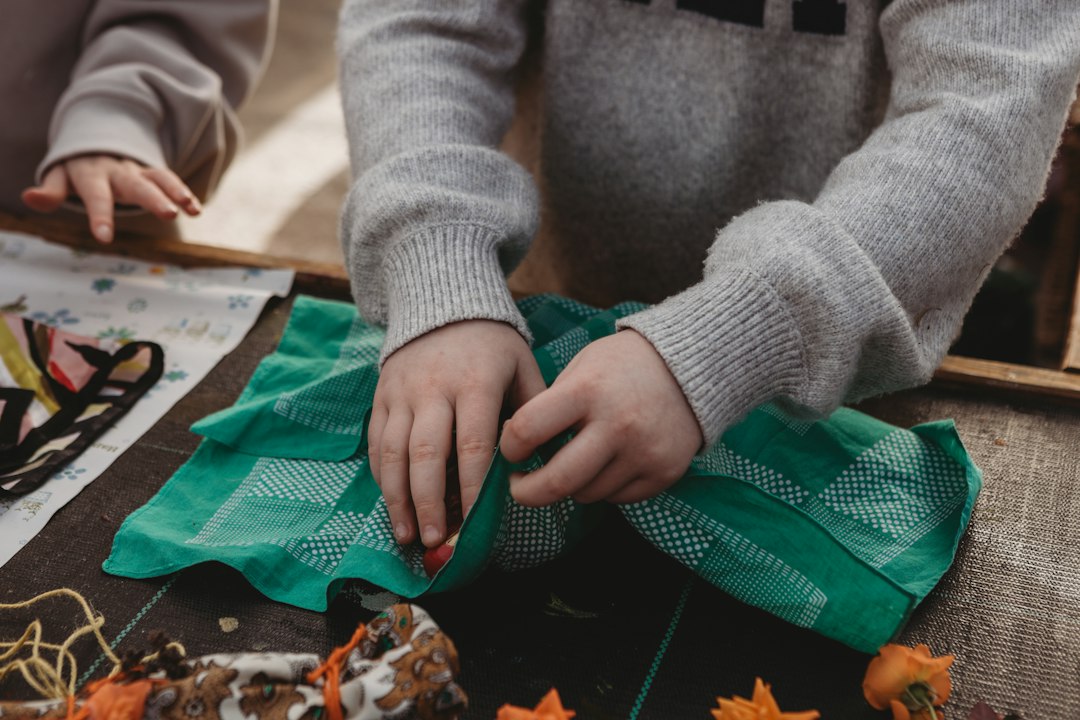

Ever notice how children instantly press whatever object is within arm’s reach straight into soft playdough? Instead of fighting that natural curiosity, you can turn it into an engaging learning moment. Tactile exploration gives young learners a concrete way to understand how animals move through nature.
Bringing animal track stamping into your classroom or living room creates an immediate bridge between sensory play and early science concepts. Whether you are running a complete woodland animal preschool unit or just need a captivating rainy-day setup, this simple tray activity delivers big developmental wins.
Preparing Your Woodland Stamping Station
Setting up this activity takes less than five minutes, making it ideal for busy morning table choices or sensory bins. You only need a few durable items that can withstand squishy play dough.
To create an inviting play area, gather these basics:
- Homemade or store-bought playdough: Brown, green, or muted tan dough mimics muddy forest floors or snowy ground.
- Plastic woodland animal figurines: Select plastic bears, deer, foxes, rabbits, raccoons, and owls with textured feet.
- Small wooden rolling pins: Encourages children to flatten their dough base independently.
- Natural elements: Small pinecones, twigs, and faux leaves add texture and imaginative play props.
According to CDC child development guidelines, preschoolers need frequent opportunities to refine small muscle movements in their hands and fingers. Rolling, flattening, and pressing toys directly targets those foundational physical milestones.
How to Introduce Animal Track Stamping in Playdough
Once your materials are laid out on a low tray, keep instructions brief. Preschoolers learn best when allowed to discover patterns organically through trial and error.
1. Prepare the Canvas
Encourage your child to squeeze and roll the playdough into a thick, flat pancake. Applying pressure with a rolling pin works the bilateral coordination skills needed to stabilize paper while writing later on.
2. Make the First Impression
Demonstrate how to hold a plastic figurine by its body and firmly press its feet into the smooth dough. Show them how lifting the toy straight up reveals a clear footprint grid. Ask open-ended questions like, ‘How many toes did the bear leave behind?’
3. Create Trails and Stories
Guide them to walk the animal across the dough pancake rather than making single stamps. A hopping rabbit makes paired footprints, while a trotting fox leaves an alternating line. This simple step turns basic stamping into narrative-driven imaginative play.
If you want to pair this tactile tray with additional literacy or math activities, explore our hands-on learning library for matching mats and prompt cards.
Developing Fine Motor Control and Early Inquiry
While children view this as pure fun, their brains are processing complex spatial and tactile information. Pressing miniature paws into dough requires precise calibration of force, known as proprioceptive input.
Here is what your young learners gain from this setup:
- Pincer Grasp Strength: Pinching small animal legs builds finger strength for proper pencil placement.
- Pattern Recognition: Comparing a deer’s hooves to a duck’s webbed feet lays early math and classification skills.
- Scientific Observation: Children naturally observe size differences, depth of prints, and animal body structures.
Occupational Therapy Tip: Pushing firm plastic animals down into resistive dough provides powerful proprioceptive feedback. This deep pressure sensory input helps regulate a child’s nervous system while building hand endurance needed for future handwriting tasks.
Frequently Asked Questions
What plastic figures work best for animal track stamping?
Hard plastic figurines with deep, molded paw details work far better than soft vinyl or smooth toys. Look for realistic woodland sets featuring realistic foot outlines on the underside of their paws.
How do you clean playdough out of small toy animal paws?
Let any stuck dough dry completely overnight. Once dried, use a stiff dry toothbrush or a wooden toothpick to pop the dried crumbs right out of small crevices without scratching the paint.
How can I adapt this for a larger group center?
Divide dough into individual trays or wooden boards to define personal space. Assign two to three specific animals per child, encouraging them to trade toys with neighbors to practice turns and sharing vocabulary.
Looking for Meaningful Learning Activities?
Bring calm, screen-free learning to your home or classroom with our beautifully designed printable packs, coloring pages, and early learning games.
Daily parenting tips & new printable drops:
@preschoolprintable