
Weaving is an exceptional, often overlooked activity for developing fine motor dexterity and visual tracking. Threading yarn to create a spider web forces children to cross their midline and practice the over-under pattern crucial for cognitive growth.
Why Yarn Weaving Preschool Crafts Work Wonders
When young children pull string through holes or push yarn over and under frames, they engage in essential developmental work. Fiber arts offer a unique sensory experience that digital screens and plastic toys simply cannot match.
In fact, according to the CDC child development guidelines, mastering physical control over small tools and materials builds the foundation for independent self-care skills like buttoning coats and tying shoes.
Creating a fine motor spider web forces little hands to use the pincer grasp. That is the exact thumb-and-forefinger pinch needed to hold a pencil correctly down the road.
The Power of Bilateral Coordination
Have you ever watched a toddler try to cut paper with one hand while the paper flops around wild and uncontrolled? That happens because bilateral coordination is still developing.
This yarn project requires one hand to hold the paper plate frame steady while the dominant hand guides the yarn. This cross-body communication between the brain’s left and right hemispheres strengthens neural pathways rapidly.
Plus, it requires sustained focus. Children love watching their web take shape with every crisscross pass of the string.
Essential Supplies for Your Fine Motor Spider Web
You do not need an expensive craft store run for this project. In fact, you likely have almost everything sitting in your supply closet right now.
- Paper plates: Heavy-duty white, black, or purple paper plates work best.
- Yarn: White, orange, or neon green yarn gives a fantastic spooky contrast. Medium or thick yarn is ideal.
- Hole puncher: A standard single-hole punch works great.
- Scissors: For cutting yarn lengths and plate notches.
- Masking tape: The secret weapon for preventing frayed yarn ends!
- Plastic spiders or ring spiders: The ultimate decorative reward at the end.
Step-by-Step Yarn Weaving Preschool Guide
Follow these quick setup steps to prepare an engaging weaving station in five minutes or less.
Step 1: Prep the Frame
Cut out the inner circle of a paper plate, leaving a sturdy outer ring. If you are working with younger toddlers, you can skip cutting the middle out and simply use a full plate with punched holes around the outer rim.
Step 2: Punch the Holes
Punch holes around the edge of the plate rim, spacing them about one to two inches apart. Do not worry about symmetry! Randomly placed holes actually create more authentic, crisscrossed spider webs.
Step 3: Create the ‘Aglet’ Needle
Cut a length of yarn about three to four feet long. Wrap a small piece of masking tape tightly around one end of the yarn, creating a firm, needle-like tip just like a shoelace. This prevents frustration and makes threading effortless.
Step 4: Anchor the String
Tie the opposite end of the yarn through one hole on the plate. Secure it with a quick double knot on the back side so it stays locked in place during vigorous pulling.
Step 5: Let the Weaving Begin!
Demonstrate how to push the taped yarn tip through a hole, pull it through completely, and stretch it across to a hole on the opposite side. Let the kids go wild choosing their own patterns across the plate!
Step 6: Add the Spooky Finish
Once the web is dense and full, tie off the loose end on the back. Clip a plastic ring spider onto the yarn strands or glue a plastic spider directly into the center of the web.
Teacher Pro Tip: Keep yarn lengths under three feet for three-year-olds. Long strings tangle quickly and cause frustration. It is far better to tie on a second piece of yarn midway through than to untangle a knotted pile of string!
Tailoring the Craft for Different Age Levels
Every early childhood classroom features a wide spectrum of physical capabilities. Here is how you can easily modify this project so every child feels successful.
For Toddlers (Ages 2 to 3)
Skip the thread-through-the-hole technique entirely if hole punching is too tiny for their hands. Instead, take a sturdy cardboard cutout and cut deep notches along the edges.
Toddlers can simply wrap thick yarn around the card stock by pulling string into the notches. This builds wrist strength without requiring pinpoint visual alignment.
For Pre-K and Kindergarteners (Ages 4 to 6)
Challenge older children by introducing stick frames or craft stick crosses instead of paper plates. Lay two popsicle sticks in a cross shape, secure the center with glue, and let them weave in a circular radial pattern.
You can also introduce plastic blunt yarn needles to make them feel like real fiber artists! Explore our full hands-on preschool activity collection for more seasonal fine motor ideas that match your lesson plans.
Extending the Learning: Science and Literacy Connections
Do not let the learning stop when the weaving craft is finished! You can easily turn this art session into a rich multi-day thematic unit.
Read-Aloud Pairings
Pair this fine motor spider web activity with classic children’s literature to boost phonemic awareness and comprehension:
- The Very Busy Spider by Eric Carle: Discuss tactile textures and multi-sensory web creation as you read along.
- Spiders by Gail Gibbons: Introduce non-fiction concepts, arachnid anatomy, and real-life silk weaving physics.
- Aaarggh! Spider! by Lydia Monks: Add humor and perspective on friendship and classroom pets.
- Itsy Bitsy Spider: Sing the fingerplay song while holding their completed yarn webs up high!
Science Investigation Table
Set up a sensory bin alongside your weaving station filled with black bean ‘soil’, plastic spiders, magnifying glasses, and silk thread samples. Ask open-ended questions that prompt critical thinking:
‘Why do you think spiders build webs?’
‘How does the sticky thread help the spider catch its lunch?’
‘What happens if a web breaks in the wind?’
Overcoming Common Classroom Challenges
Even the simplest crafts can hit a snag when working with small groups of energetic children. Here is how to keep your weaving station running smoothly.
Preventing Yarn Tangles
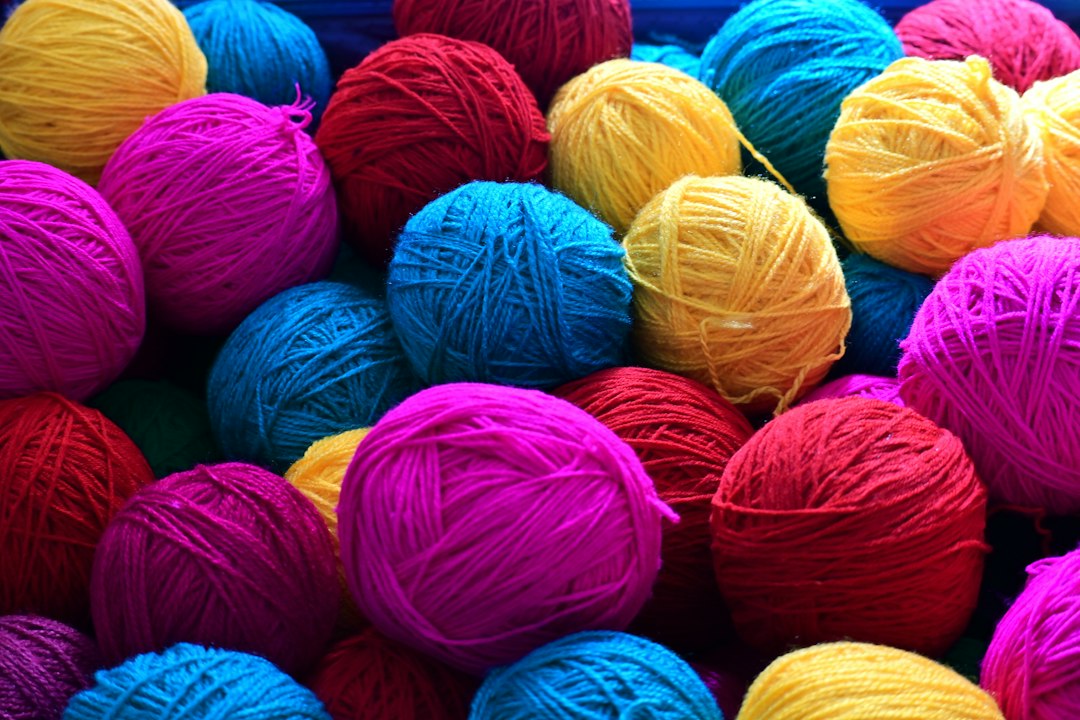
Tangling yarn is the number one cause of preschool craft meltdowns. To keep things calm, roll your yarn into compact, individual small balls ahead of time rather than pulling straight from a giant skein.
You can also tape the yarn ball inside a small plastic cup on the table so it does not roll onto the floor while children pull string through their frames.
Handling Frustration with Threading
If a child lacks the visual-motor integration to push string through punched holes, step in with supportive scaffolding. Hold the plate steady while they push the yarn tip, or switch them to notched cardboard frames.
Remember: the goal is progress and process, never perfect visual results! A messy, tangled web is just as brilliant for brain development as a perfectly symmetrical one.
Frequently Asked Questions
How does this yarn weaving preschool activity improve handwriting?
Weaving builds intrinsic hand muscle strength and strengthens the tripod grip. When kids pull yarn tight, manipulate needle tips, and pinch small plastic spiders, they practice the exact thumb-index stability required to control a pencil smoothly across paper.
What age is this fine motor spider web best suited for?
This activity shines brightest for children ages three to six. However, with simple tweaks—like using notched cardboard edges for younger children or plastic needles for older ones—it easily adapts for toddlers through first graders.
How long does this Halloween activity typically take?
Most preschoolers spend between 15 to 30 minutes weaving their webs depending on their attention span and the density of their design. It makes an excellent quiet-choice station during center time.
Can I reuse these materials for non-spooky themes?
Absolutely! The exact same weaving technique works year-round. Use yellow yarn on a paper plate ring to make a bright summer sun, or green yarn to construct a winter wreath or spring bird nest.
Watch Tiny Hands Grow Stronger Through Play
There is immense joy in watching a young child’s eyes light up when they pull off a challenging fine motor task. That proud ‘Look what I made!’ moment makes every second of prep work worth it.
Try setting up this yarn weaving preschool center in your classroom or home this week. Grab some paper plates, snip a few lengths of yarn, and let those tiny fingers weave some spooky magic!
Looking for Meaningful Learning Activities?
Bring calm, screen-free learning to your home or classroom with our beautifully designed printable packs, coloring pages, and early learning games.
Daily parenting tips & new printable drops:
@deargru_official